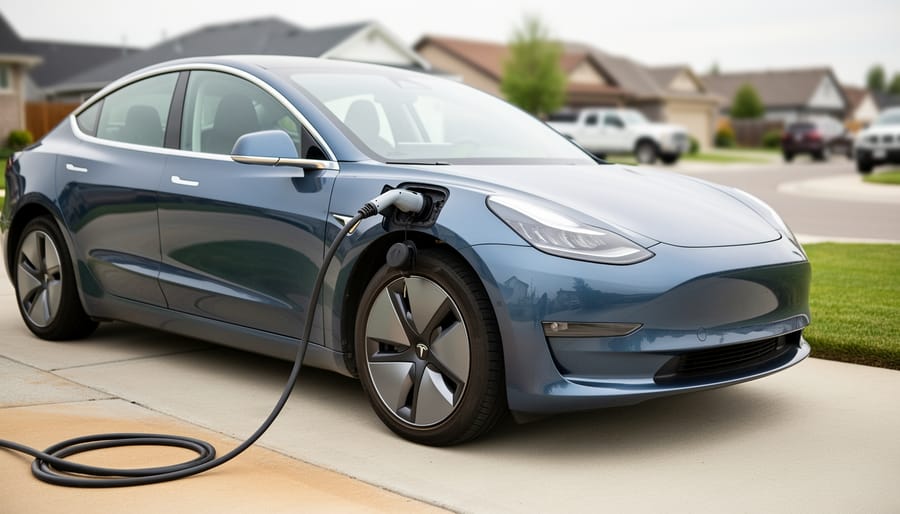
For most drivers, e-power wins on smooth, quiet, city-focused driving, while a conventional hybrid wins on motorway efficiency and flexibility. The deciding factor is how the engine connects to the wheels. In an e-power system, the engine never drives them directly. It runs only as a generator, feeding a battery and an electric motor that does all the propulsion. A conventional hybrid blends engine and motor power through the drivetrain, so the engine can push the car itself.
That single design choice shapes everything from refinement and responsiveness to fuel economy at speed. E-power feels like an EV with a built-in power station. A parallel or power-split hybrid feels like a petrol car with strong electrical backup. Neither is universally better, and the right pick depends on your mix of urban commuting, long-distance runs, and tolerance for engine noise under load.
This guide is aimed at buyers weighing the two and at industry readers tracking how series and parallel architectures are converging with wider hybrid thinking across energy systems. It’s a trend we cover regularly in our hybrid power news coverage. Below, you’ll find a quick comparison table, plain-English definitions, a dimension-by-dimension breakdown, and clear guidance on who should choose which.
E-Power vs. Hybrid at a Glance: A Quick Comparison
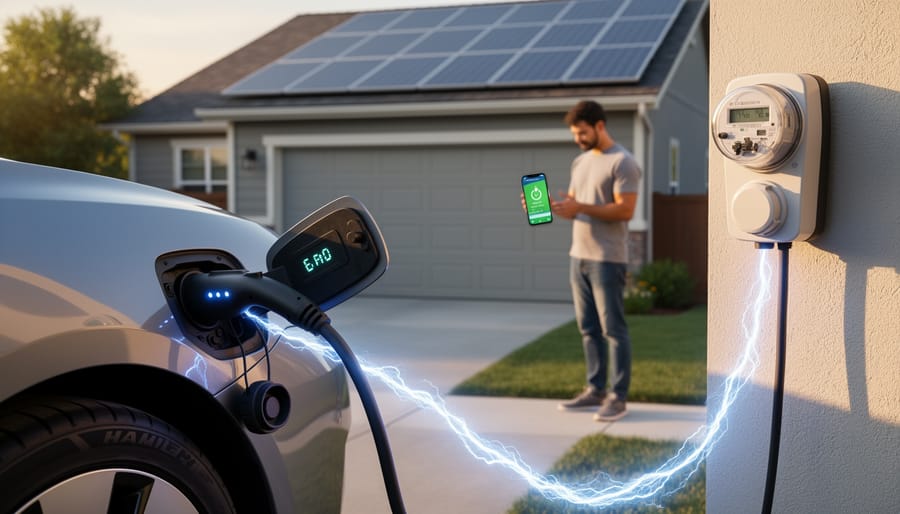
Think of the table above as a map, not a spec sheet. Each row shows how the two architectures tend to behave, not what any single car or plant will deliver. Results shift with the specific implementation, the battery size, the duty cycle, and the operating conditions, from cold-weather city commutes to long motorway runs. Treat every comparison as directional rather than guaranteed. If one row matters most to you, check manufacturer data and independent testing for the exact model or system you’re considering.
The One-Paragraph Verdict
E-power tends to win in stop-and-go city use, where an engine freed from the wheels can run at steady, efficient speeds while the motor delivers smooth, instant torque. Conventional parallel and power-split hybrids tend to win on longer, faster runs, since the engine can drive the wheels directly and skip extra conversion losses. Neither is better everywhere; your typical trip decides it.
What E-Power and Hybrid Systems Actually Are
How E-Power (Series Hybrid) Works
In an e-power system, the combustion engine never drives the wheels. It works purely as a generator: it spins an alternator, and that electricity either flows straight to the traction motor or tops up a small battery that buffers the difference. The electric motor is the only thing that actually moves the vehicle (or, at plant scale, delivers the output).
The practical payoff is that engine speed is decoupled from load. In a conventional drivetrain, the engine’s revolutions are tied to road speed and gear choice, so it often wanders into inefficient territory, especially in stop-and-go traffic. In a series layout, the engine can be held near a narrow band where it burns fuel most efficiently, while the battery soaks up any surplus and covers sudden demand. Need to crawl through congestion? The motor handles it, and the engine may idle quietly or switch off.
There’s a trade-off worth knowing. Every bit of energy passes through a conversion chain: mechanical to electrical, then back to mechanical. Each step has losses, which is why series designs shine when the engine can stay in its sweet spot but give up some ground at steady, high-load cruising, a point the comparison sections below return to.
How Conventional Hybrids (Parallel and Power-Split) Work
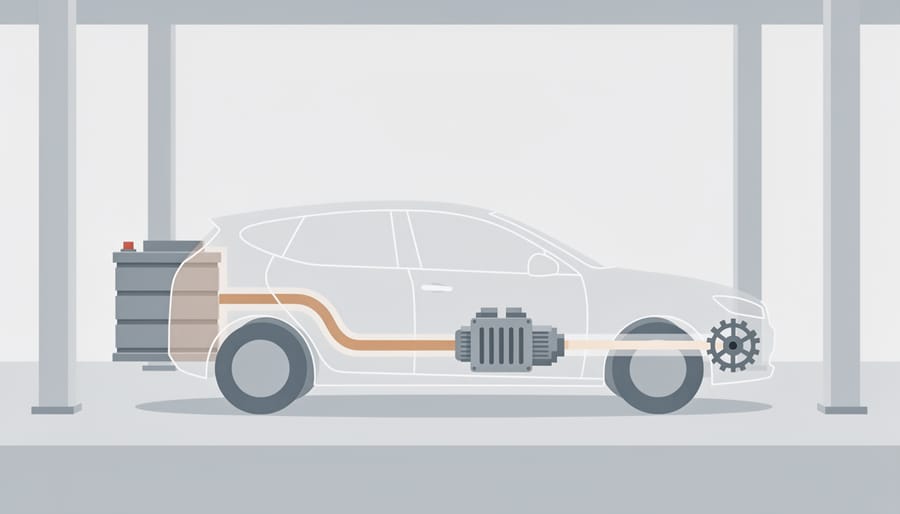
In a conventional hybrid, the engine and the electric motor can both push the car. That’s the defining difference from a series setup, where the engine never touches the wheels.
There are two common layouts. A parallel hybrid uses a clutch to connect the engine and motor to the same driveshaft. The motor can assist during acceleration, drive alone at low speed, or sit idle while the engine does the work. A power-split hybrid, famously used in Toyota’s Prius lineage, uses a planetary gearset to blend engine output between the wheels and a generator. The system continuously shifts how much power flows mechanically and how much takes the electric path.
The payoff comes at steady speed. When the engine connects directly to the drive, energy skips the extra conversion into electricity and back, so cruising on a highway wastes less.
Battery packs are usually modest, often around one to two kilowatt-hours in a non-plug-in hybrid. They exist to capture braking energy, smooth out engine load, and cover short electric-only stretches, not to carry the car for long distances. Plug-in versions add a larger pack, but the mechanical architecture stays the same.
Because the engine does double duty, the control software has to constantly decide who leads and who assists. That decision logic is where much of the engineering effort goes.
Where the Hybrid Power Plants Trend Fits In
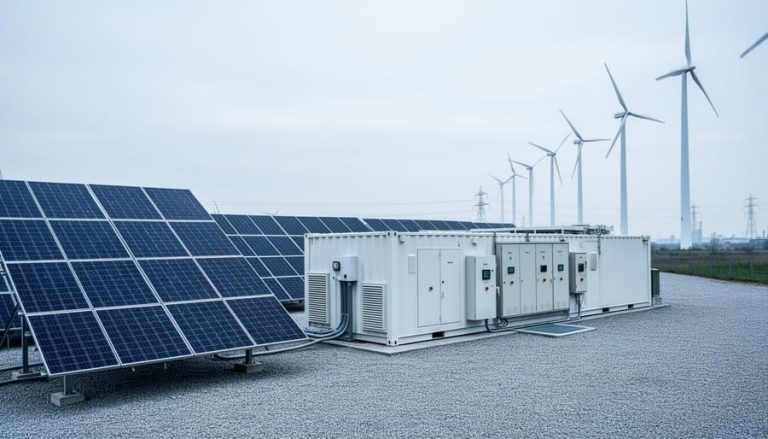
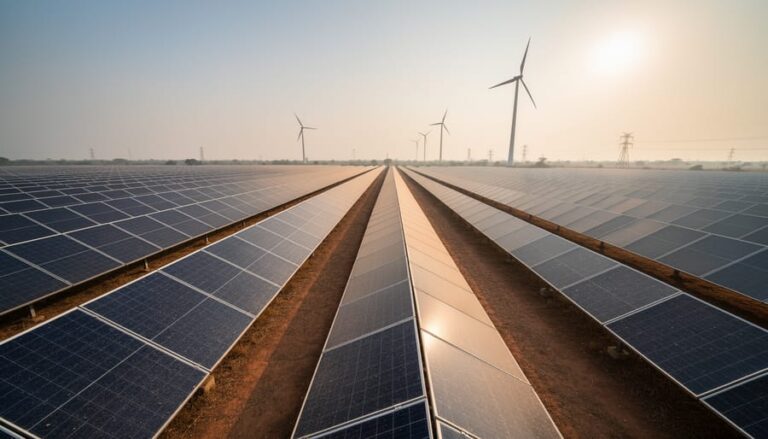
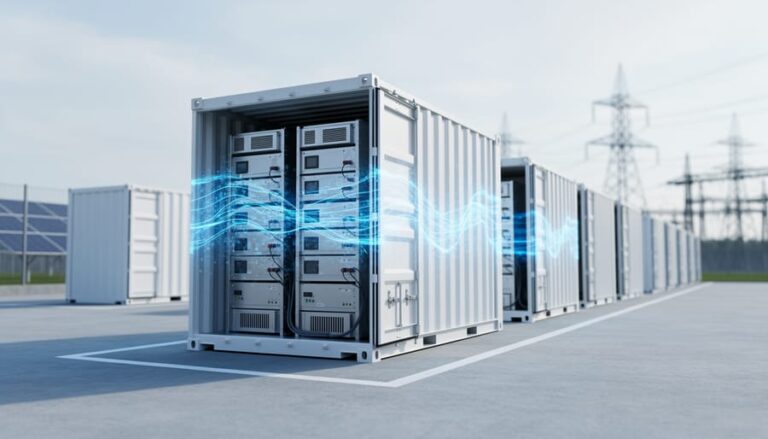
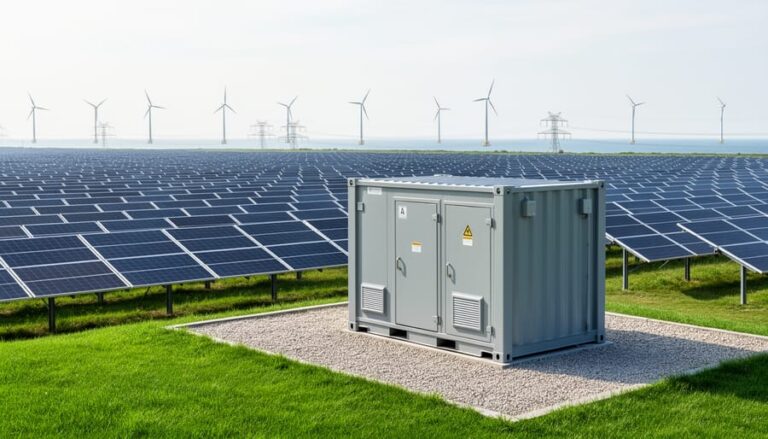
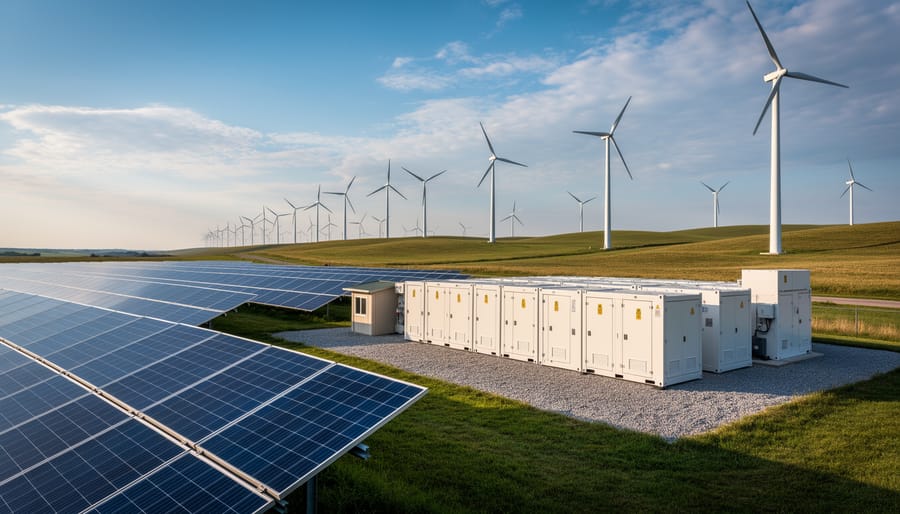
The same logic scales far beyond the driveway. A hybrid power plant pairs complementary sources, such as solar or wind with battery storage, or renewables with flexible thermal generation, and the design question mirrors e-power versus parallel hybrids: which source leads, and which one supports? In a solar-plus-storage plant, the panels are the primary generator while batteries smooth output, much like a series system decouples the engine from the load. As the renewables surge continues, operators increasingly pair sources this way to keep supply dispatchable and reliable.
Dimension-by-Dimension Comparison: Efficiency, Performance, Cost, and Emissions
Efficiency Across Operating Conditions
In stop-and-go city driving, a series architecture has a real advantage. Because the engine never drives the wheels directly, it can run at a steady speed and load where it burns fuel most efficiently, then shut off while the battery and motor handle the lulls. Braking also recovers energy that would otherwise turn to heat in the brakes.
Sustained high-load or highway driving flips the picture. A series system converts mechanical energy to electricity and back to motion, and each conversion costs a little. At a constant cruise, a parallel or power-split hybrid can send engine power straight to the wheels and skip most of those losses, which is why it often holds up better on long, steady runs.
Results depend on the specific implementation, so treat this as a directional pattern rather than a guarantee. The duty cycle, not the badge, usually decides which architecture comes out ahead.

Driving Feel, Responsiveness, and Noise
In an e-power (series) system, the motor alone turns the wheels, so you get instant, linear torque the moment you press the pedal. Acceleration feels like a small EV: smooth, with no gear changes and no handoff between power sources. Because the engine only generates electricity, its speed can drift from what your right foot is asking for. Some drivers notice a hum that rises and falls independently of acceleration, and engineers often tune the engine to follow pedal input so the sound feels natural.
Conventional hybrids blend motor and engine through a power-split device or clutch. Low-speed response is nearly as crisp, but when the engine joins in or disconnects, you may feel or hear a subtle transition. Calibration decides how seamless that blend feels, and perception is subjective, so a test drive is the best judge.
Cost, Complexity, and Maintenance
E-power systems typically carry a larger electric traction motor and a matching inverter, since the motor alone drives the wheels, plus a separate generator and the engine. Conventional hybrids usually need a smaller motor but add mechanical complexity: a power-split device or clutch, plus a transmission that blends engine and motor torque. Component count ends up comparable, just distributed differently.
Battery sizing is modest in both, though series layouts lean harder on the pack and power electronics during demanding drives. Heat management and cell health therefore matter, and tools like battery safety analytics can help operators monitor degradation over time.
On maintenance, e-power engines run in a steadier band, which may reduce wear, while parallel and power-split designs rely on proven, widely serviced hardware. Lifecycle cost depends on local service support, battery warranty terms, and duty cycle, so compare quotes rather than assume either wins.
Emissions, Fuel Flexibility, and Grid Interaction
Tailpipe emissions depend mostly on how often the engine runs and how efficiently it does so. A series system can hold its engine near one efficient operating point, while a parallel hybrid cuts emissions by shutting the engine off and recovering braking energy. Neither is zero-emission unless it can run on stored electricity alone, so lifecycle results hinge on fuel source, battery manufacturing and the local grid, which is why cradle-to-grave emissions accounting gives a fairer picture than tailpipe figures alone.
Fuel flexibility favors the engine-as-generator design, since a generator running at a steady speed is easier to adapt to biofuels or other alternatives. Plug-in versions add grid interaction: a larger battery can charge from low-carbon power and, in some setups, support the grid. That is the same logic behind hybridizing generation assets, where pairing sources with storage improves flexibility and lowers carbon intensity.
Market Momentum and Adoption Signals
Automakers and utilities are both hedging rather than betting on a single architecture. Parallel and power-split hybrids have the longest track record and the widest dealer and service familiarity, while series-hybrid systems like e-power have gained attention mainly where stop-and-go driving and an electric feel matter most. On the power side, utilities and developers keep pairing renewables with storage and flexible generation, which mirrors the same blend-and-balance logic. How quickly any of this scales is uncertain, since it depends on policy, prices, and supply chains that shift year to year.
Several forces tend to shape which approach gains ground:
- Fuel prices influence how much buyers value efficiency gains.
- Emissions and efficiency regulation can favor some architectures over others.
- Battery cost trajectories affect how large and affordable the storage component can be.
- Charging and fueling infrastructure readiness limits plug-in options in some regions.
- Consumer familiarity makes established hybrids an easier sell.
- Grid-flexibility needs push planners toward hybridized generation assets.
Treat any single forecast with caution, because these factors rarely move in lockstep.
Real-World Case Studies: Where Each Approach Has Delivered
Series Hybrid in Urban Mobility
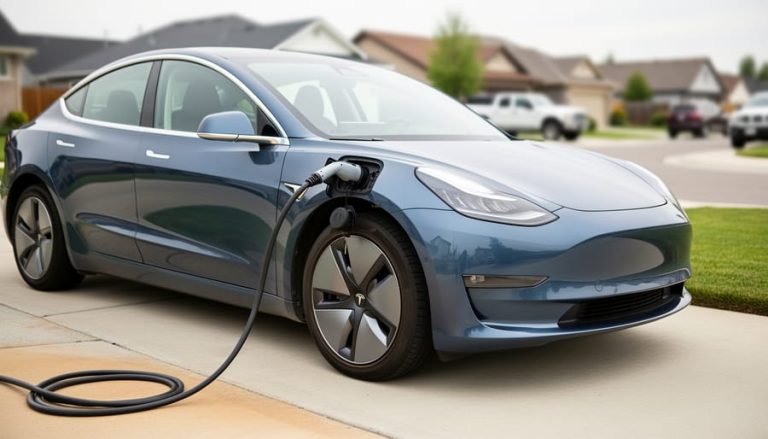
In congested city driving, a series system plays to its strengths. Because the engine never drives the wheels directly, it can run at a steady, efficient speed to keep the battery topped up, or shut off entirely while the motor handles low-speed crawling. Nissan’s e-POWER setup is the best-known example. Its drivers report smooth, immediate torque off the line and a quiet cabin, and that responsiveness suits the constant starts and stops of urban traffic. Regenerative braking recovers energy that would otherwise be lost every time traffic slows.
The limitations are just as clear. A series layout converts energy more than once, from fuel to electricity and back to motion, so it can lose some efficiency at steady highway speeds. Small batteries also mean the engine may spin up loudly under hard acceleration, which some drivers notice. Results depend heavily on the specific model, the duty cycle, and how the system is tuned.
Hybridized Generation at Plant Scale
A hybrid power plant shows the same series-versus-parallel logic at a much larger scale. Picture a site that pairs wind and solar with battery storage and a flexible gas or hydro unit. The renewables supply energy whenever the resource is available, the battery smooths short swings and shifts output to evening demand, and the flexible unit covers long lulls. Dispatch software decides which source leads at any moment, much as a vehicle controller chooses between engine and motor.
The reliability gain comes from diversity. When one asset trips or the weather turns, another covers the gap. Weak points still matter, though. Operators who track wind turbine failures know that a single underperforming asset can ripple through the whole dispatch plan, so maintenance and redundancy are part of the design.
The lesson for the e-power versus hybrid question is simple. Neither approach wins everywhere. The best result comes from matching each source to the job it does well and letting control logic coordinate them.
Who Should Choose E-Power and Who Should Choose a Hybrid
Choose E-Power If…
E-power tends to make the most sense when your driving or duty cycle rewards smooth, electric-feeling delivery over long-distance efficiency. If most of your miles are urban or suburban, with frequent stops, crawling traffic, and short hops, a series architecture lets the engine run at a steady, efficient speed while the motor handles every change in load. That also means strong low-speed torque and quiet, linear acceleration that feels much like a full EV.
It also suits drivers who want electrified behavior without depending on charging infrastructure. You refuel at a normal station and never plug in. Choose it if refinement and responsiveness outrank highway fuel economy, and if you can accept that sustained high-speed cruising is where this layout tends to be less efficient.
Choose a Conventional Hybrid If…
A conventional parallel or power-split hybrid usually makes more sense when your driving or duty cycle includes long stretches at steady speed. On highways, letting the engine connect directly to the wheels avoids the extra energy conversions a series layout requires, so efficiency tends to hold up better at sustained load.
It also fits if you want the broadest choice of models, dealers, and service technicians, since this architecture is the most established. If you regularly tow, carry heavy loads, or cover big distances between fuel stops, the direct mechanical path can feel more natural and less stressed.
Finally, consider it when you want a simpler ownership story. A modest battery, no plugging in, and familiar powertrain behavior suit buyers who care about predictable running costs more than an electric-style driving feel.
Questions to Ask Before You Decide
Before you commit, run through these questions honestly. They matter more than any spec sheet.
What does your typical duty cycle look like? Mostly short, congested trips favor a series setup, while long stretches at steady speed favor a conventional hybrid. For energy planners, the equivalent question is how often a plant ramps up and down versus running at a steady load.
How easy is access to charging or fuel? If you can plug in at home or work, a plug-in variant becomes more attractive. If you rely on public fueling, simplicity counts for more.
What’s your real budget? Compare purchase price against expected running costs, not just the sticker.
Is there local maintenance support for the system you’re considering? A technology your nearest workshop can’t service is a risk.
Finally, check current policy incentives, since eligibility often depends on the specific powertrain type and changes by region.
E-Power vs. Hybrid: Frequently Asked Questions
Is e-power a type of hybrid?
Yes. E-power is a series hybrid: the engine only generates electricity, and the electric motor alone drives the wheels. Conventional hybrids, by contrast, let the engine contribute mechanical power directly.
Does e-power need external charging?
Typically no. The onboard engine charges the battery or feeds the motor, so most e-power systems are self-charging, though plug-in variants exist and differ by model.
Which is more efficient on highways?
Conventional parallel or power-split hybrids tend to hold the advantage at steady, higher speeds, because the engine can drive the wheels without converting energy to electricity first. E-power usually shines in stop-and-go traffic, though results vary by implementation.
Are hybrid power plants the same idea at larger scale?
The logic is similar. Both pair complementary sources, such as renewables, storage, and flexible generation, and decide which one leads and which one supports. For anyone tracking the grid side, what to watch in hybrid power developments is a useful companion read.
Maintenance is harder to call. E-power systems often use fewer mechanical links between engine and wheels but lean heavily on the battery, inverter, and motor, while conventional hybrids carry a more complex mechanical drivetrain. Costs depend on the specific model, local service support, and how the vehicle is driven, so check warranty terms and serviceability before you commit.
Neither architecture wins outright. E-power rewards you when your days are mostly short hops, stop-and-go traffic and low speeds, because the engine can sit in its efficient range while the motor delivers smooth, instant torque. A conventional hybrid earns its place when you cover steadier miles at higher speeds, where a direct mechanical path avoids extra conversion losses. The right pick follows your duty cycle, not a headline efficiency number.
The same logic runs through the Hybrid Power Plants Trend. Whether it’s an engine feeding a motor or a solar array backed by storage and flexible generation, the common thread is blending complementary strengths so no single source has to do everything.
Going forward, watch how real-world testing and independent efficiency data compare across both architectures, how charging access and fuel options evolve, and how policy incentives shift the cost picture. Check those against your own routine before you commit.