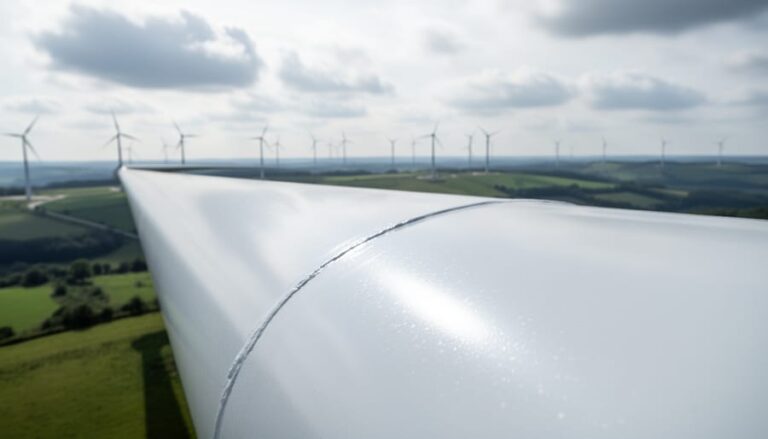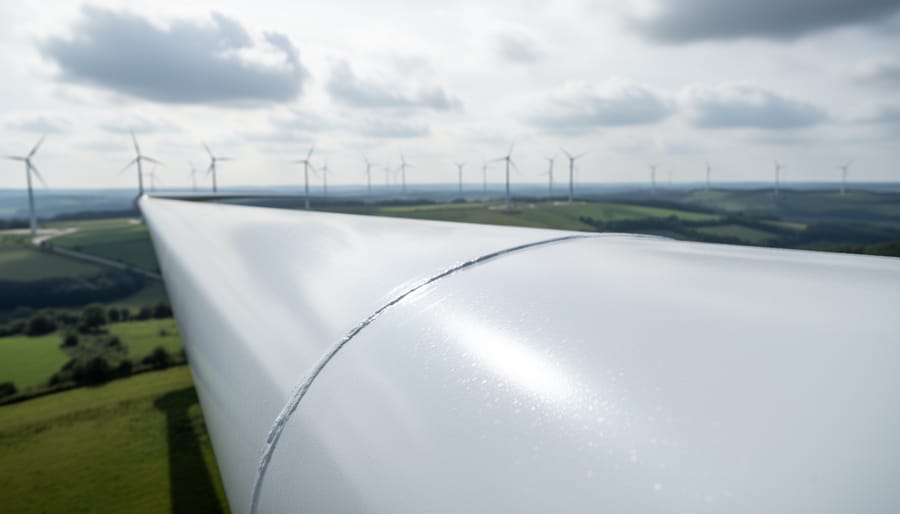
The single most common quality problem behind wind turbine failures stems from manufacturing defects in blade materials and bonding processes, often invisible until catastrophic failure occurs during operation. If you’re experiencing unexpected blade issues, start by inspecting bond lines and gel coat surfaces for subtle delamination signs using ultrasonic testing or thermography before the next scheduled maintenance window.
Wind farm operators face a troubling reality: quality problems in turbines can erase profitability margins within a single breakdown cycle. Unlike mechanical wear that follows predictable patterns, manufacturing and material defects introduce hidden vulnerabilities that bypass even rigorous commissioning protocols. These issues manifest across every major turbine subsystem, from gearbox metallurgy to yaw bearing tolerances, yet they share a common thread. They originate in supplier quality control gaps, installation deviations, or design assumptions that don’t account for site-specific load conditions.
The financial stakes demand a systematic approach. Unplanned downtime compounds lost generation revenue with emergency repair costs and potential warranty disputes. When a blade develops separation in its spar cap or a generator bearing shows premature wear, the root cause often traces back weeks or years to a quality lapse during fabrication, transportation, or erection. Understanding which symptoms point to quality defects versus normal degradation determines whether you’re ordering a component replacement or filing a supplier claim that protects your asset value.
This troubleshooting guide walks you through symptom identification that distinguishes quality failures from operational wear, root cause analysis grounded in failure mode patterns observed across modern turbine fleets, and resolution steps that balance safety, cost, and turbine availability. You’ll also find prevention strategies to implement during procurement and commissioning, reducing your exposure to the quality risks that continue to challenge the wind energy sector’s push for higher capacity factors and lower levelized costs.
Identifying Quality Problems: Common Symptoms and Warning Signs
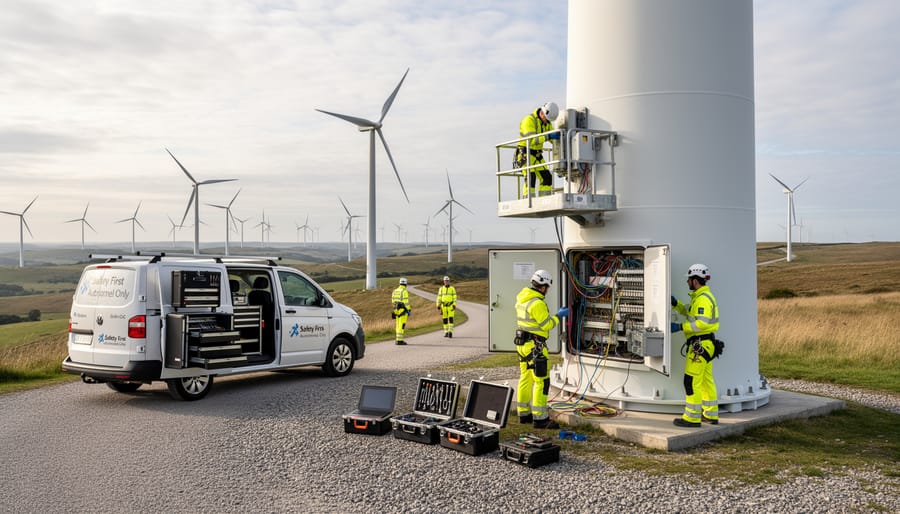
Early detection of quality problems requires operators to distinguish routine wear from genuine defects. Unlike normal degradation that follows predictable patterns, quality-related failures often appear unexpectedly, show unusual characteristics, and affect multiple turbines sharing the same components or manufacturing batches.
Abnormal vibration patterns rank among the most telling indicators. When drivetrain bearings or gearbox components contain manufacturing flaws, they generate vibrations at specific frequencies that differ from standard operational signatures. SCADA systems typically record these anomalies as sudden changes in vibration amplitude or frequency spectrum, rather than the gradual increase associated with normal bearing wear. A healthy turbine maintains consistent vibration levels; quality defects introduce sharp spikes or irregular patterns that monitoring systems flag as deviations from baseline performance.
Noise anomalies provide another critical diagnostic signal. Grinding sounds from gearboxes, whistling from blade aerodynamic surfaces, or clicking from electrical components all point to specific defect types. These sounds differ markedly from the steady whoosh of normal operation or the predictable mechanical hum of rotating equipment. Operators who conduct regular site inspections can often identify these acoustic signatures before monitoring systems detect the underlying problem.
Performance degradation manifests as unexplained power curve deviations. When a turbine consistently underperforms relative to wind conditions and its historical baseline, the cause often traces to blade surface defects, pitch system malfunctions, or generator inefficiencies. Quality-related power loss typically appears suddenly rather than declining gradually over months.
Operators should monitor these key warning signs and early indicators of quality issues:
- Sudden changes in vibration frequency or amplitude outside normal operating ranges
- Unexpected power output drops of more than 5-10% compared to similar turbines in the same wind conditions
- Oil contamination or unusual debris in lubrication systems during routine sampling
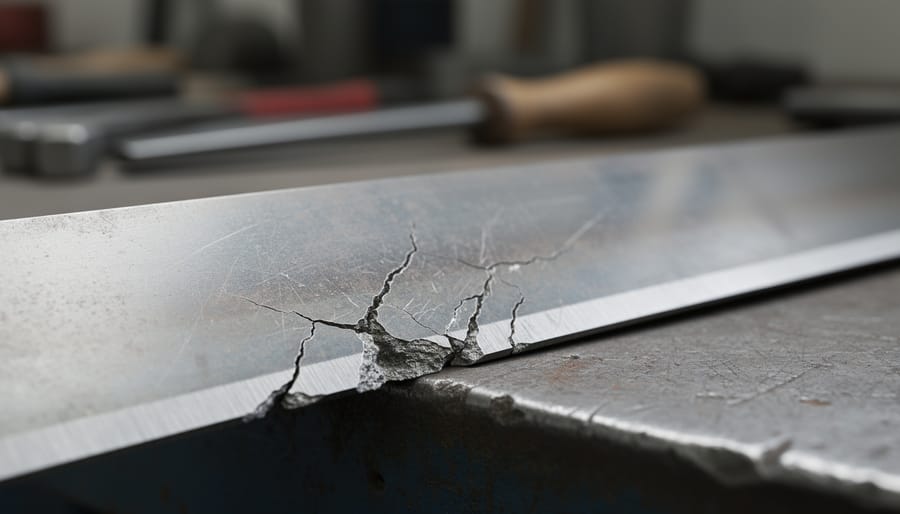
- Visual blade damage including delamination, cracks, or erosion concentrated in specific areas
- Recurring alarm patterns affecting multiple turbines from the same production batch
- Temperature excursions in bearings, gearboxes, or generators beyond normal operating thresholds
Visual inspections remain essential despite sophisticated monitoring. Blade delamination, gel coat cracking, and leading edge erosion often become visible before they trigger performance alerts. Oil leaks around seals or hydraulic connections signal component quality issues that monitoring systems may miss until contamination reaches critical levels. The combination of automated monitoring and regular visual inspection creates a comprehensive symptom detection framework that catches quality defects early in their progression.
Root Causes Behind Wind Turbine Quality Failures
Manufacturing and Material Defects
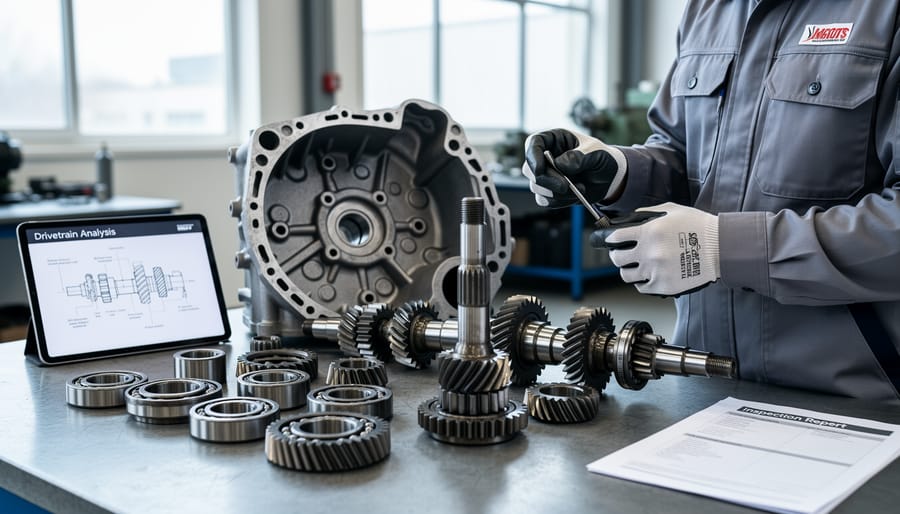
Manufacturing defects emerge during turbine production, often remaining undetected until operational stresses reveal them. Composite blade manufacturing introduces vulnerabilities when resin fails to fully impregnate fiberglass layers, creating voids that concentrate stress and accelerate crack formation. These laminate imperfections typically appear in the blade’s thickest sections where proper resin distribution proves most challenging during the lay-up process.
Metal casting flaws in gearbox housings, main shafts, and bearing assemblies create similar risks. Porosity from trapped gases, incomplete mold filling, or improper cooling rates weakens load-bearing components. These internal defects often escape visual inspection, only revealing themselves through ultrasonic testing or when catastrophic failure occurs under operational loads.
Adhesive bond failures represent another critical manufacturing concern. The joints connecting blade shells or bonding structural reinforcements depend on precise surface preparation, controlled environmental conditions, and accurate mixing ratios. Contaminated bonding surfaces, inadequate cure temperatures, or rushed production schedules compromise these bonds. When adhesive joints fail, loads redistribute unevenly across the blade structure, potentially triggering secondary damage that extends far beyond the original defect site and requires extensive repair work.
Design and Engineering Limitations
Some quality problems trace back to the turbine’s fundamental design rather than how it was built. Structural weaknesses can emerge when engineers underestimate the complex, variable loads a turbine will face over 20 or 25 years of operation. Blades designed for specific wind regimes may experience unanticipated stress patterns in actual site conditions, leading to accelerated wear or cracking at bond lines and spar caps.
Fatigue modeling presents particular challenges. Wind turbines endure millions of load cycles from constantly shifting wind speeds and directions. When design teams use overly simplified fatigue models or fail to account for real-world turbulence intensity, components can develop cracks or failures well before their intended service life. Gearbox bearings and blade root connections are especially vulnerable when fatigue calculations prove inadequate.
Component compatibility issues also surface during operation. A turbine is an integrated system where the generator, gearbox, power electronics, and control systems must work in harmony. Mismatched impedance between electrical components, inadequate cooling capacity for power converters, or control algorithms that create damaging resonances can all stem from design-stage oversights. These engineering limitations often only become apparent after extended operation under diverse conditions.
Installation and Commissioning Errors
Quality problems don’t always originate in the factory. A significant portion emerge during site assembly and commissioning, when components manufactured to specification fail to perform as expected due to installation errors. Foundation misalignment represents one of the most consequential issues: when concrete bases don’t meet tolerances or soil settling occurs during curing, the resulting tower tilt creates uneven load distribution across the drivetrain. This misalignment accelerates bearing wear and can cause premature gearbox failure.
Electrical connection defects frequently escape detection during rushed installation schedules. Improperly torqued cable connections create resistance hot spots, while inadequate grounding can allow voltage imbalances that damage sensitive control systems. Blade installation presents particular challenges, as pitch angle errors of even half a degree reduce power output and create asymmetric loading that damages yaw systems over time.
Incomplete commissioning testing allows defects to persist into commercial operation. Skipping full-load tests, vibration baseline measurements, or emergency shutdown verification means quality issues remain hidden until they cause failures under real operating conditions. Proper documentation of as-built configurations is equally critical; without accurate records of torque values, alignment measurements, and electrical parameters, future maintenance teams lack the reference data needed to identify drift from specification. These installation-phase quality gaps often go unrecognized until patterns of premature component failure emerge months or years later.
How to Address and Resolve Quality Issues: A Systematic Approach
Step 1: Conduct Comprehensive Diagnostic Assessment
Begin with a systematic data review from your SCADA system. Pull performance logs spanning the weeks before the suspected quality issue emerged, power curves, generator temperatures, vibration levels, and any fault codes. Compare this historical data against baseline performance to identify deviations that signal underlying defects rather than transient environmental factors.
Supplement digital monitoring with physical inspection. Schedule vibration analysis using triaxial accelerometers mounted at critical points: gearbox housings, generator bearings, and tower sections. Abnormal frequency patterns often reveal misalignment, bearing wear, or structural resonance tied to manufacturing tolerances. For thermal assessment, deploy infrared thermography across electrical connections, brake assemblies, and gearbox casings to detect hotspots indicating friction, resistance, or lubrication failures.
Don’t overlook visual structural inspections. Use rope access teams or drones equipped with high-resolution cameras to examine blade surfaces for gelcoat cracking, trailing edge separation, or lightning strike damage, defects frequently missed by ground-based observation. Document every finding with photographs, precise location notes, and severity ratings. This diagnostic foundation informs whether you’re addressing a localized component failure or a systemic quality problem requiring broader intervention.
Step 2: Document and Classify the Defect
Once you’ve completed the diagnostic assessment, thorough documentation becomes essential for effective resolution and potential warranty claims. Create a detailed defect record that includes photographic evidence, SCADA data snapshots, inspection reports, and precise location information. Classify the severity using a structured framework: critical defects requiring immediate shutdown, major issues causing significant performance degradation, and minor defects that can wait for scheduled maintenance windows. This classification drives response prioritization and resource allocation.
Verify warranty coverage immediately by reviewing your turbine purchase agreement, component warranties, and any extended service contracts. Many quality-related failures fall under manufacturer warranties if documented properly and reported within specified timeframes. Establish clear communication channels with the OEM’s technical support team, providing them with your complete defect documentation. Simultaneously notify your project insurers if the issue could trigger business interruption or equipment breakdown coverage. Maintain a centralized record of all correspondence, including emails, technical bulletins, and service reports, as this documentation trail proves invaluable during warranty negotiations and helps identify patterns if similar defects emerge across your fleet.
Step 3: Develop a Corrective Action Plan
Once the defect is documented and classified, the next step is translating technical findings into an actionable repair strategy. Start by evaluating whether the issue requires an immediate emergency repair, a scheduled intervention during a planned maintenance window, or temporary mitigation while permanent solutions are sourced. This decision balances safety, warranty coverage, and operational revenue.
For critical failures, such as main bearing defects or structural blade damage, coordinate directly with the original equipment manufacturer to determine if the problem falls under warranty and whether OEM-certified technicians must perform the work. Many warranty agreements require manufacturer approval before third-party intervention. If the turbine is out of warranty or the OEM response timeline is unacceptable, qualified independent service providers can often execute repairs faster, though this may void remaining coverage.
Resource planning is equally important. Blade repairs may require specialized composite technicians and rope access teams, while gearbox replacements demand heavy-lift cranes with narrow weather windows. Secure parts availability early, lead times for major components like generators or pitch systems can extend months. Build contingency into your timeline for weather delays, especially for offshore sites.
Finally, establish clear communication channels between all stakeholders: site operations teams, service contractors, engineers, and insurance representatives. Define success criteria, testing requirements post-repair, and documentation standards before work begins. A well-structured corrective action plan minimizes downtime and ensures repairs address root causes rather than symptoms.
Step 4: Execute Repairs or Component Replacement
Once the corrective action plan is in place, executing repairs demands rigorous adherence to OEM specifications and industry safety standards. Before any work begins, establish a comprehensive safety protocol: lock-out tag-out procedures for electrical and mechanical systems, fall protection for technicians working at height, and confined space entry protocols when accessing nacelle or tower internals. Coordinate closely with the turbine manufacturer or certified service providers to ensure replacement components meet original quality specifications and carry proper traceability documentation.
During repairs, implement quality checkpoints at each critical stage. For blade repairs, surface preparation must achieve specified cleanliness and roughness profiles before applying composite patches or adhesives. Monitor curing conditions carefully, as temperature and humidity directly affect bond strength. For drivetrain component replacement, torque all fasteners to exact specifications using calibrated tools, and verify alignment tolerances with precision instruments before returning the turbine to service.
Document every step with photographs and written records, noting serial numbers of replacement parts and any deviations from standard procedures. Conduct functional testing under controlled conditions before full-load operation: run the turbine through start-up sequences, verify sensor readings against expected values, and monitor vibration signatures during initial rotation. This staged approach catches any installation errors before they cause secondary damage, ensuring the repair delivers lasting performance improvement rather than a temporary fix.
Step 5: Verify Resolution and Update Monitoring
Once repairs are complete, confirm the fix has actually worked before declaring the issue resolved. Run the turbine through controlled start-up sequences, checking that operating parameters fall within manufacturer specifications across all load conditions. Compare current performance data against pre-failure baselines, not just power output, but vibration signatures, bearing temperatures, oil cleanliness, and any other metrics that initially flagged the problem.
Update monitoring settings to watch the repaired component more closely. If a gearbox bearing failed, set tighter alert thresholds for temperature and vibration on that assembly. If blade damage was repaired, increase inspection frequency for that specific blade during the first few months back in service. This focused monitoring catches any recurrence early and validates that the root cause was properly addressed rather than masked.
Document everything you learned. Record what symptoms appeared first, what diagnostics pinpointed the defect, what repair steps resolved it, and how long the turbine was offline. This creates a reference for future similar issues on other units and helps identify patterns if the same failure mode appears across your fleet. Share relevant findings with your operations team so they recognize early warning signs faster next time.
Prevention Strategies: Building Quality Into Wind Projects
Strengthening Procurement and Vendor Selection
Selecting the right turbine manufacturer, component supplier, and installation contractor represents the most effective upstream intervention to minimize quality problems. Start by demanding verifiable evidence of manufacturing quality systems, not just certifications. Request factory audit rights in contracts and examine whether suppliers maintain statistical process control for critical components like blade root connections and bearing assemblies.
Evaluate manufacturers based on their warranty claim history and field failure data from existing installations. Ask for references from operators running turbines in conditions similar to your site and verify those installations have reached at least three years of operation without major component replacements.
For installation contractors, prioritize firms with turbine-specific experience and formal training from the OEM. Review their quality documentation practices and ensure contracts require photographic evidence and measurement records at each assembly stage. A contractor cutting corners during foundation preparation or torque procedures introduces defects no amount of post-installation monitoring can fully mitigate.
Establish pre-qualification criteria that include financial stability, technical capabilities, and demonstrated commitment to quality management. The lowest bid rarely delivers the lowest lifecycle cost when quality failures drive unplanned downtime and expensive repairs.
Implementing Rigorous Testing Protocols
Factory acceptance testing (FAT) serves as the first line of defense against quality issues, verifying that turbines meet design specifications before they leave the manufacturing facility. During FAT, operators should witness component testing including blade structural load tests, drivetrain performance validation, and electrical system functionality checks. Comprehensive documentation of test results creates a baseline for future reference and warranty claims.
Site acceptance testing (SAT) confirms that turbines operate correctly after installation and transportation. This phase includes verifying tower verticality, blade tracking alignment, yaw system calibration, and pitch control accuracy. SAT also validates that safety systems respond properly under simulated fault conditions.
Commissioning extends beyond basic functionality to demonstrate sustained performance under varying operational conditions. Best practices include running turbines through full power curves across different wind speeds, monitoring vibration signatures during ramp-up periods, and conducting thermal imaging surveys to detect electrical connection issues. Each turbine should complete a specified run-time under load before final acceptance, allowing latent defects to surface while manufacturer support remains readily available. Thorough documentation at each testing stage establishes accountability and provides valuable diagnostic data if quality problems emerge later.
Establishing Proactive Monitoring Programs
Modern wind farm operators recognize that catching quality defects early prevents catastrophic failures and costly emergency repairs. Condition-based monitoring shifts maintenance from reactive to proactive, using continuous data streams from sensors embedded throughout the turbine to detect subtle changes before they escalate.
SCADA systems form the foundation, tracking power output, rotor speed, temperatures, and vibration levels in real-time. Advanced installations add dedicated sensors for oil quality analysis, acoustic monitoring of gearbox health, and fiber-optic strain gauges embedded in blade structures. The data flows into analytics platforms that establish normal operating baselines for each turbine, then flag deviations that suggest developing quality issues, early-stage bearing wear, blade balance problems, or insulation degradation in generators.
Predictive maintenance algorithms analyze these patterns, scheduling interventions during planned service windows rather than waiting for component failure. Regular inspection schedules complement automated monitoring. Quarterly visual inspections catch external blade damage and oil seeps, while annual thermographic surveys identify electrical connection defects and overheating components invisible to conventional inspection.
This layered approach, continuous automated monitoring backed by scheduled physical inspections, creates multiple opportunities to intercept quality problems during their early stages, when repairs remain straightforward and downtime minimal.
Industry Definitions: Understanding Quality Terminology
Understanding the specialized vocabulary of wind turbine quality management is essential for effectively diagnosing problems, communicating with stakeholders, and implementing solutions. These terms form the foundation of quality discussions across the renewable energy sector.
- Manufacturing Tolerances
- The acceptable range of variation from specified dimensions or properties during component production. Exceeding these tolerances can lead to imbalance, vibration, and premature wear in rotating assemblies.
- Fatigue Life
- The expected operational duration before a component fails due to repeated stress cycles rather than a single overload event. Accurate fatigue modeling is critical for predicting blade and drivetrain longevity.
- Factory Acceptance Testing (FAT)
- A comprehensive verification process conducted at the manufacturer’s facility before shipment to confirm that turbine components meet contractual specifications and performance standards. Rigorous FAT protocols catch defects before they reach the project site.
- Root Cause Analysis (RCA)
- A systematic investigation method that traces a quality failure back to its fundamental origin rather than addressing only surface symptoms. Effective RCA prevents recurrence by correcting underlying issues.
- Failure Mode and Effects Analysis (FMEA)
- A proactive risk assessment technique that identifies potential failure mechanisms, evaluates their consequences, and prioritizes mitigation strategies. FMEA helps teams anticipate quality problems before they occur.
Beyond these core concepts, operators should also familiarize themselves with terms like non-conformance reports (formal documentation of deviations from quality standards), witness testing (third-party verification of critical procedures), and acceptance criteria (the measurable benchmarks components must achieve to be deemed acceptable). When quality issues arise, speaking the same technical language as manufacturers, engineers, and insurance adjusters accelerates resolution and ensures nothing gets lost in translation. Clarity in terminology directly supports clarity in problem-solving.
Frequently Asked Questions About Wind Turbine Quality Issues
Are quality defects covered under manufacturer warranties?
Most turbine warranties cover manufacturing defects and component failures caused by quality issues during the warranty period, typically five to ten years depending on the contract. However, coverage often excludes damage from improper operation, inadequate maintenance, or third-party modifications, making thorough documentation of defect origins essential for successful warranty claims.
How long does it typically take to resolve major quality issues?
Resolution timelines vary widely based on defect severity and component availability. Minor repairs like sensor replacements might take days, while blade replacements or gearbox overhauls can require weeks to months, particularly if specialized parts need manufacturing or if weather conditions restrict crane operations.
When should wind farm operators bring in independent experts?
Third-party specialists become valuable when disputes arise with manufacturers over warranty claims, when internal teams lack expertise for complex diagnostics like blade structural analysis, or when recurrent failures suggest systemic design issues requiring independent assessment. External engineers can provide unbiased root cause analysis and strengthen negotiating positions during warranty discussions.
What are the typical cost implications of quality-related failures?
Costs extend beyond direct repair expenses to include lost revenue from downtime, mobilization fees for specialized crews, and potential penalties under power purchase agreements. Blade repairs alone can range from tens of thousands for minor fixes to hundreds of thousands for major structural work, while complete gearbox replacements represent some of the most expensive interventions in wind farm operations.
Understanding warranty boundaries and repair logistics helps operators set realistic expectations when quality problems emerge. The key to managing costs lies in early detection through proactive monitoring and swift action once defects appear, minimizing the cascade of secondary damage that extends downtime and inflates repair bills. Building relationships with qualified service providers before problems arise also speeds response when urgent issues demand immediate attention.
Quality management remains the cornerstone of successful wind energy operations. When turbines underperform or fail prematurely, the impact ripples through every aspect of project economics, from revenue losses and repair costs to warranty claims and stakeholder confidence. What separates high-performing wind farms from struggling assets is not the absence of quality challenges but rather how systematically operators detect, resolve, and prevent them.
The troubleshooting framework outlined throughout this article provides a practical roadmap. Symptom identification protocols help operators distinguish normal wear from genuine quality defects. Root cause analysis techniques ensure that repairs address underlying problems rather than merely treating surface symptoms. Structured resolution procedures minimize downtime and prevent recurring failures. Prevention strategies, from enhanced factory testing to condition-based monitoring, shift the focus from reactive firefighting to proactive quality assurance.
Industry quality standards continue to evolve as manufacturers, operators, and regulators learn from past failures. The wind sector has matured considerably over the past decade, developing more rigorous testing protocols, tighter manufacturing tolerances, and better predictive maintenance tools. Yet quality issues will never disappear entirely. Complex machinery operating in harsh environments will always face unexpected challenges.
The competitive advantage belongs to operators who embrace continuous improvement. Every quality defect represents an opportunity to refine inspection procedures, update maintenance protocols, and strengthen supplier relationships. By treating quality management as an ongoing discipline rather than a one-time exercise, wind farm operators protect their investments, maximize energy production, and contribute to the long-term viability of renewable energy infrastructure.